Previous
Next

A patient once told us something we've heard many times before:
"Doctor, I've tried everything."
Diet plans.
Gym memberships.
Walking routines.
Weight loss supplements.
Online challenges.
For a few weeks, the weight would go down. Then it would come back.
Eventually, he wasn't just struggling with weight anymore. He was dealing with diabetes, knee pain, poor sleep, and low energy levels.
After consulting with Dr. Birbal Kumar, he discovered that bariatric surgery wasn't about taking a shortcut. It was about finding a medical solution for a serious health problem.
If you're searching for the Best Bariatric Surgeon in Old Faridabad, understanding when bariatric surgery may be appropriate can help you make a well-informed decision.
One of the biggest misconceptions about obesity is that it happens because people lack discipline.
That's simply not true.
Weight management is influenced by many factors, including:
Genetics
Hormonal changes
Metabolism
Medical conditions
Lifestyle habits
Sleep quality
Many patients work extremely hard to lose weight but struggle to achieve sustainable results.
This is where medical intervention may become necessary.
A few extra kilograms may not create major concerns.
However, severe obesity can significantly impact overall health.
Common obesity-related conditions include:
Excess weight can affect blood sugar control and increase diabetes risk.
Obesity often places additional strain on the cardiovascular system.
Many patients experience interrupted breathing during sleep.
The knees, hips, and lower back often carry the burden of excess weight.
Obesity can contribute to liver-related complications over time.
When these health problems begin affecting daily life, medical treatment options deserve consideration.
Many people think bariatric surgery is the "easy way out."
The reality is exactly the opposite.
Surgery is not a replacement for healthy habits.
It's a tool that works alongside lifestyle changes.
Patients who achieve the best results are usually the ones who commit to long-term dietary changes, physical activity, and regular follow-up care.
The surgery creates an opportunity.
The patient still does the work.
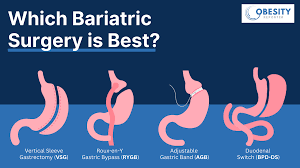
Bariatric surgery refers to surgical procedures designed to help patients lose weight and improve obesity-related health conditions.
These procedures work by:
Reducing stomach capacity
Influencing hunger hormones
Improving metabolic function
Supporting long-term weight management
The specific procedure recommended depends on the patient's health profile and goals.
Not everyone who wants to lose weight requires surgery.
However, it may be appropriate for patients who:
Individuals with significantly elevated body weight may qualify for surgical treatment.
Conditions such as diabetes, hypertension, and sleep apnea may strengthen the case for intervention.
Many bariatric patients have spent years attempting traditional weight loss approaches.
The goal extends beyond appearance.
The primary focus is long-term health improvement.
Medical professionals increasingly recognize obesity as a chronic disease rather than simply a lifestyle issue.
Research continues to demonstrate that bariatric surgery can support significant weight reduction and improve several obesity-related health conditions in appropriately selected patients.
For many individuals, the health benefits become even more important than the weight loss itself.
Choosing the right surgeon is critical when considering bariatric treatment.
Patients often choose Dr. Birbal Kumar because of his patient-centered approach, detailed evaluations, and commitment to long-term outcomes rather than short-term promises.
We believe every patient deserves a clear understanding of:
Available treatment options
Expected benefits
Potential risks
Recovery process
Lifestyle requirements after surgery
Education is a key part of successful treatment.
One patient came to us after years of struggling with obesity-related diabetes and mobility issues.
Walking short distances left him exhausted.
His confidence had suffered, and everyday activities felt challenging.
Following bariatric surgery and a structured lifestyle plan, he experienced substantial improvements in both weight and overall health.
At a follow-up appointment, he shared something simple:
"I feel like I got my life back."
That's often the outcome patients value most.
While weight reduction is the primary goal, patients frequently report additional improvements.
These may include:
Better blood sugar control
Improved mobility
Reduced joint discomfort
Better sleep quality
Increased energy levels
Enhanced confidence
The impact often extends far beyond the number on a weighing scale.
Comprehensive surgical care may include:
Weight-loss procedures
Metabolic health improvement
Gallbladder surgery
Hernia repair
Appendix procedures
Advanced minimally invasive operations
Smaller incisions
Faster recovery
Diagnostic and therapeutic procedures
Specialized gastrointestinal cancer treatment
No. Bariatric surgery is primarily performed to improve health and manage obesity-related medical conditions.
Results vary depending on the procedure, patient commitment, and lifestyle changes after treatment.
Yes. Long-term success depends on maintaining healthy eating habits and following medical guidance.
If excess weight is affecting your health, mobility, confidence, or quality of life, it may be time to explore your options.
The right treatment plan can help you move toward a healthier future with greater confidence and energy.
If you're looking for the Best Bariatric Surgeon in Old Faridabad, schedule a consultation with Dr. Birbal Kumar to learn whether bariatric surgery could be the right step toward lasting health improvement.