
loading
GI Cancer Surgery

GI Cancer Surgery

  • Category : Open Surgery


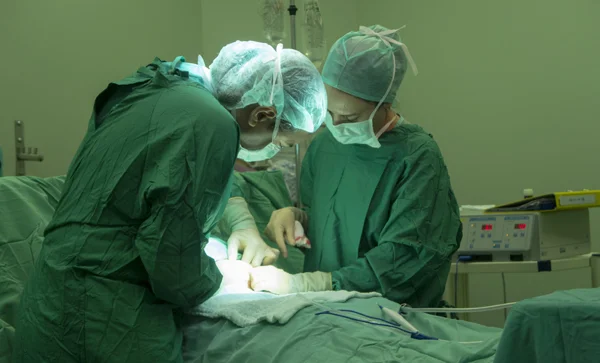
GI Cancer Surgery in Faridabad refers to the surgical treatment of cancers affecting the gastrointestinal (GI) tract, which includes the esophagus, stomach, liver, pancreas, small intestine, colon, and rectum. Gastrointestinal cancers are among the most serious medical conditions and require timely diagnosis and advanced surgical intervention for better outcomes.

These cancers often develop silently in early stages and may show symptoms only when they become more advanced. Early detection and expert surgical management play a critical role in improving survival rates and quality of life.

At Dr. Birbal Kumar’s clinic in Faridabad, GI Cancer Surgery is performed using modern surgical techniques, including minimally invasive and laparoscopic approaches where appropriate. The focus is on accurate tumor removal, preserving healthy tissues, reducing complications, and ensuring faster recovery.


What is GI Cancer?

GI cancer refers to malignant (cancerous) growths that occur in any part of the digestive system. The most common types include:

Esophageal Cancer

Cancer of the food pipe, often linked to smoking, alcohol, or chronic acid reflux.

Stomach (Gastric) Cancer

Cancer developing in the stomach lining.

Colon Cancer

Cancer of the large intestine.

Rectal Cancer

Cancer occurring in the rectum.

Liver Cancer

Primary or secondary cancer affecting the liver.

Pancreatic Cancer

A highly aggressive form of digestive cancer.


Causes and Risk Factors of GI Cancer

Common risk factors include:

  • Smoking and alcohol consumption
  • Unhealthy diet (high in processed foods)
  • Chronic gastritis or ulcers
  • Obesity
  • Genetic factors and family history
  • Infections like H. pylori (stomach cancer)
  • Inflammatory bowel disease
  • Age above 50 years

Symptoms of GI Cancers

Symptoms vary depending on the organ involved but may include:

  • Unexplained weight loss
  • Abdominal pain or discomfort
  • Blood in stool or vomiting blood
  • Difficulty swallowing
  • Persistent indigestion or acidity
  • Loss of appetite
  • Change in bowel habits
  • Fatigue and weakness

If these symptoms persist, GI Cancer Surgery in Faridabad evaluation is strongly recommended.


Diagnosis of GI Cancers

Accurate diagnosis is essential and may include:

  • Endoscopy / Colonoscopy
  • Ultrasound and CT scan
  • MRI or PET scan
  • Biopsy
  • Blood tests and tumor markers

These help determine cancer type, stage, and treatment plan.


When is GI Cancer Surgery Needed?

Surgery is recommended when:

  • Tumor is localized and operable
  • Cancer has not widely spread
  • Symptoms affect digestion or quality of life
  • Tumor is causing obstruction or bleeding
  • Part of multimodal cancer treatment plan

Early-stage detection significantly improves surgical outcomes.


Types of GI Cancer Surgery

1. Stomach Cancer Surgery (Gastrectomy)

Partial or complete removal of the stomach depending on tumor extent.

2. Colon Cancer Surgery (Colectomy)

Removal of affected part of the colon.

3. Rectal Cancer Surgery

Removal of rectal tumor with or without sphincter preservation.

4. Liver Cancer Surgery

Removal of tumor or affected liver segment.

5. Pancreatic Surgery

Complex surgery for pancreatic tumors.


Minimally Invasive GI Cancer Surgery

Where possible, laparoscopic techniques are used for:

  • Smaller incisions
  • Less pain
  • Faster recovery
  • Reduced hospital stay
  • Better cosmetic outcomes

Benefits of GI Cancer Surgery

Tumor Removal

Effective removal of cancerous tissue.

Improved Survival

Early surgical intervention improves outcomes.

Symptom Relief

Reduces pain, bleeding, and obstruction.

Advanced Techniques

Minimally invasive options available in suitable cases.

Multidisciplinary Care

Combined with chemotherapy and radiation when needed.


Procedure of GI Cancer Surgery

Step 1: Evaluation

Dr. Birbal Kumar performs clinical examination and reviews imaging and biopsy reports.

Step 2: Staging

Cancer stage is determined to plan appropriate surgery.

Step 3: Anesthesia

General anesthesia is administered.

Step 4: Surgery

Tumor is carefully removed along with margins of healthy tissue and nearby lymph nodes if required.

Step 5: Reconstruction

Digestive tract is reconstructed for normal function.


Recovery After GI Cancer Surgery

Recovery depends on type and extent of surgery.

Patients may experience:

  • Fatigue
  • Temporary dietary restrictions
  • Mild abdominal discomfort

Recovery care includes:

  • Gradual diet progression
  • Pain management
  • Regular follow-up visits
  • Chemotherapy or radiation if advised
  • Nutritional support

Recovery may take 2–6 weeks or longer depending on complexity.


Post-Surgery Care and Lifestyle

  • Eat small, frequent meals
  • Avoid spicy and processed foods
  • Maintain hydration
  • Follow oncology follow-up schedule
  • Stay physically active as advised
  • Avoid smoking and alcohol

When to See a Doctor?

Consult Dr. Birbal Kumar if you experience:

  • Persistent abdominal pain
  • Blood in stool or vomiting
  • Sudden weight loss
  • Difficulty swallowing
  • Long-standing digestive issues

Early diagnosis is crucial for better outcomes.


Why Choose Dr. Birbal Kumar in Faridabad?

Patients choose Dr. Birbal Kumar for:

  • Expertise in GI and cancer surgeries
  • Advanced laparoscopic techniques
  • Accurate cancer staging and planning
  • Multidisciplinary treatment approach
  • Safe and precise surgical care
  • Focus on long-term survival and recovery
There are no reviews yet.
Be the first to review

Write a Reply or Comment

Your email address will not be published. Required fields are marked *

Get Direction
Book Your Appointment Now
Call Or Whatsapp Now
+917683053605
+917683053605